
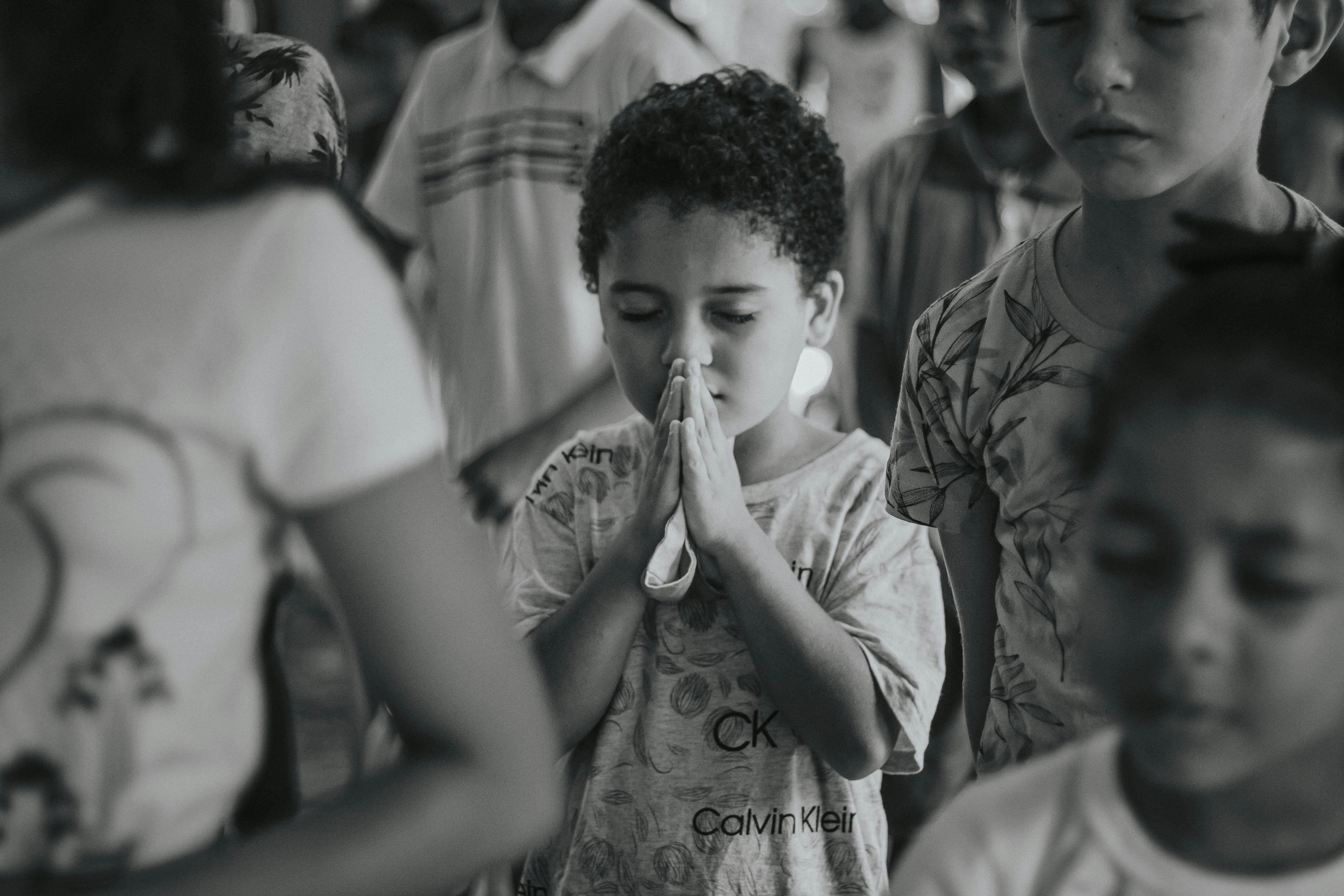
Understanding the Importance of Salah for Children
Teaching children the five daily prayers, known as Salah, is fundamental to their spiritual growth and development. Salah serves as a cornerstone of a Muslim’s faith, fostering a deep connection to Allah and encouraging a lifelong commitment to spirituality. By introducing children to the practice of Salah at an early age, parents can instill a sense of discipline and responsibility that will benefit them in various aspects of life. The structured routine of daily prayers helps children understand the significance of time management and the importance of dedicating specific moments throughout the day for reflection and devotion.
Moreover, the practice of Salah fosters a sense of belonging and community. When children engage in prayer, especially in group settings such as family gatherings or communal worship at the mosque, they develop bonds with their peers and elders. This shared experience cultivates a supportive environment, emphasizing the values of collaboration and mutual respect. Through prayer, children learn the essence of unity and social responsibility, recognizing their place within the larger Muslim community.
In addition to fostering spiritual growth and community connection, Salah has profound benefits for mental well-being. Engaging in prayer enables children to experience moments of tranquility and mindfulness, allowing them to pause and reflect on their thoughts and feelings. This practice can reduce anxiety and promote emotional stability, equipping children with the necessary coping mechanisms for life’s challenges. Furthermore, the discipline of performing Salah regularly can enhance their focus and concentration, which are essential skills not only in their spiritual life but also in their academic pursuits.
In summary, teaching children the five daily prayers plays a vital role in their spiritual development. It lays the foundation for their faith, instills discipline, and fosters a sense of community while promoting mental well-being. By nurturing this practice, parents can equip their children with the tools they need to navigate their spiritual journey with confidence and commitment.
Creating a Positive Environment for Learning Salah
Establishing a conducive environment for children to learn Salah is crucial in fostering their understanding and practice of the five daily Rakat prayers. The initial step involves parents or guardians serving as positive role models. When children observe their guardians engaging in Salah regularly, it not only imparts the significance of prayer but also ignites their innate curiosity to participate. Demonstrating proper prayer practices in front of children can greatly enhance their willingness to learn and mimic these actions.
Furthermore, creating a specific prayer space at home can significantly contribute to a child’s learning experience. This dedicated area should be comfortable, clean, and free from distractions, allowing children to focus on their prayers. Incorporating elements such as prayer mats, a Qur’an, and Islamic decorations makes the space inviting, thereby inspiring children to develop a sense of ownership over their prayer practices. Such a personalized environment not only enhances their learning of Salah but also instills a sense of spiritual connection and commitment.
To further aid in the learning process, visual aids can be invaluable. These may include charts that depict the different positions of Salah or illustrated guides that break down the components of each Rakat. Using engaging visuals aids the memory and comprehension of children, making it easier for them to understand the sequence of prayers and movements involved.
In addition to physical resources, incorporating a routine around Salah can make learning more engaging. Establishing a fixed time for prayers that involves the entire family can reinforce their importance and create a sense of community. By turning learning into a shared experience, children are more likely to view Salah not just as a requirement, but as an enjoyable practice. Overall, a supportive and engaging environment is essential for children to thrive in their journey of mastering the five daily Rakat prayers.
Step-by-Step Guide to Teaching the Five Daily Rakat Prayer
Teaching children the five daily prayers is a fundamental aspect of instilling Islamic values and practices. To ensure that children are able to grasp the concept of Salah effectively, it is imperative to approach the learning process methodically. Start by introducing Wudu (ablution), which is essential for performing prayers. Explain its significance and the steps involved, guiding them through the process of washing specific body parts so they can understand the importance of cleanliness in prayer.
Once children are familiar with Wudu, introduce them to the structure of the Salah. Break down the prayer into manageable parts, focusing on the number of Rakat and the actions involved. Begin with the Fard (obligatory) prayers, emphasizing that each daily prayer comprises a different number of Rakat: two for Fajr, four for Dhuhr, four for Asr, three for Maghrib, and four for Isha. Illustrate the concept of Rakat by using visual aids and diagrams to help them visualize the movements.
For each stage of the prayer, provide clear instructions on the physical actions, such as standing (Qiyam), bowing (Ruku), prostrating (Sujud), and sitting (Tashahhud). Use repetition and play to solidify their understanding. A practical exercise could involve incorporating prayer into a daily routine, allowing them to practice their Salah in a comfortable setting. Engage them by turning learning into a game where they can take turns leading the prayer, reinforcing memory through interaction.
Moreover, utilize story-telling to make these practices relatable. Share stories from Islamic tradition that highlight the importance of prayers and encourage consistent practice. Incorporating these elements will enhance their learning experience, making the journey of mastering the five daily Rakat enjoyable and meaningful.
Encouragement and Maintaining Consistency in Prayer
Instilling the habit of regular prayer, or Salah, in children is a vital aspect of their spiritual development. Encouragement plays a critical role in maintaining their interest and commitment to the five daily Rakat prayers. One effective strategy is to implement a reward system that recognizes and motivates their efforts. This can range from verbal praise to small incentives, which can reinforce their participation. For example, parents might offer stickers or tokens for each day they complete their prayers, fostering a sense of achievement.
Creating prayer buddies can also enhance the experience of performing Salah. This may involve pairing children with siblings or friends during prayer times. In this supportive environment, children can motivate one another and share the spiritual journey. This sense of companionship can significantly reduce feelings of isolation, making the practice of prayer more enjoyable.
Consistent reminders and a structured routine can further help children develop the habit of prayer. Parents should consider setting specific times for Salah that align with the child’s daily schedule, ensuring it becomes a regular part of their lives. Gentle nudges, such as alarms or quiet reminders, can assist in keeping prayers at the forefront of their minds. However, it is also essential to address potential distractions that may arise. Creating a dedicated prayer space free from noise and interruptions can enhance focus during Salah.
Moreover, addressing reluctance directly with patience and understanding is crucial. Children may express disinterest or fatigue, particularly during longer prayer sessions. It is essential to communicate openly, encouraging them to express their feelings while gently guiding them back to the practice with kind reassurances. By fostering a supportive environment and recognizing each child’s unique journey, parents can help cultivate a lifelong commitment to the five daily Rakat prayers.